
Our Story
Horo Tea – A Cup as a Journey
Horo - hōrō (放浪) means wandering, roaming.
Horo Tea began in Kizugawa, a quiet tea-growing area in the south of Kyoto, Japan. Kizugawa is known as one of the homes of hojicha, and it is also the place where I grew up.


My journey with tea began in the tea fields of Kizugawa and Wazuka, Kyoto in 2005. Working there, surrounded by green hills, quiet fields, and the rhythm of the seasons, I was deeply moved by the beauty of Japanese tea culture and by the simple, honest taste of tea made by real people with care.


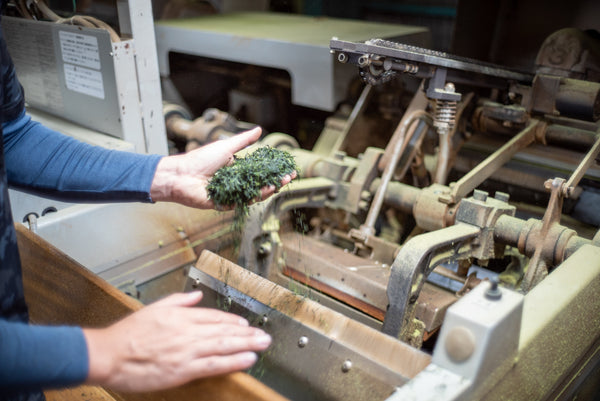
From there, my own hōrō (放浪) began. I started wandering through different tea regions across Japan—Kagoshima, Fukuoka, Shizuoka, and beyond—meeting farmers, tasting countless teas, and discovering how much history, landscape, and human craftsmanship can live within a single cup.

Yame, Fukuoka
 Kagoshima

Shizuoka

Wazuka, Kyoto
Today, Horo Tea is based in the Netherlands. From here, I hope to introduce teas from these regions to people in Europe, little by little, in a way that feels honest, personal, and connected to the people and places behind each tea.
Our Teas
At Horo Tea, we focus on authentic Japanese teas from Kyoto and Nara, especially hojicha, hojicha powder, kabusecha, roasted sencha, bancha, genmaicha, wakocha, and matcha. Many of our teas are naturally grown or produced with great care by small-scale farmers and local tea makers.

All teas are processed by an experienced processor, Toshihiro-san one of the long-established tea roasters/wholesalers from Kizugawa, Kyoto. The place is well know as the home of Hojicha. All of our roasted teas from Kyoto are carefully roasted by him.


Another important tea in our collection is the kabusecha made by students from the agricultural department of a Kyoto high school with more than 100 years of history.
This school, Kizu High School, is also my own alma mater. The kabusecha made by these young students is fresh and lively, yet it also carries the depth and dignity of a school tradition that has continued for over a century.


Not far from Kizugawa lies Nara Prefecture, where tea has been grown for centuries as Yamatocha, a traditional regional tea shaped by the climate and landscape of the Yamato Highlands.
Grown in cool mountain areas with clear differences between day and night temperatures, Yamatocha is known for its fragrant aroma and rich taste. The Yamatocha we share is naturally grown, and often carries a wild and expressive character.
Alongside this natural depth, it also allows us to introduce a rich variety of teas that are different from Kyoto teas, showing another beautiful side of Japanese tea culture.
In Nara, deer have long been cherished as messengers of the gods.
In the land where Yamatocha is cultivated, the quiet presence of deer at Kasuga Taisha gently reminds us of the sacred spirit that lives in this place.

Horo Tea – A Cup as a Journey
Many of the teas we share are connected to people I have met through my own journey with tea. Through these relationships, we look for teas that carry the gifts of nature, and that we can offer with trust and care.
Some are bright and elegant. Some are rustic and comforting. Some are simple everyday teas. Some carry a natural bitterness or wild character, reminding us that tea is not something to be made perfect, but something to be received from nature.
Again, what connects them all is the people and places behind them.
The teas we meet through our journey, our hōrō, continue their own journey until they reach your hands.
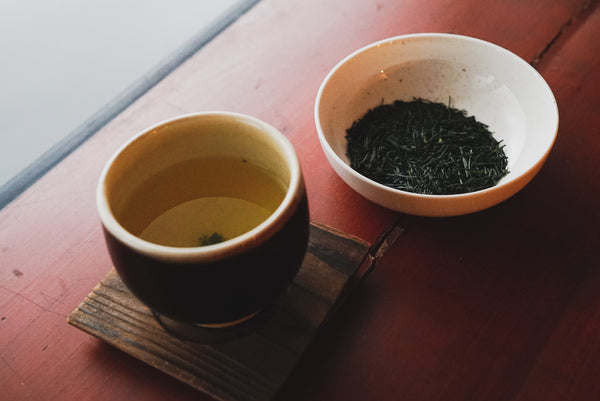
As you enjoy each cup, we hope you can imagine the beautiful mountains of Kyoto and Nara, and the people who work there with care.
Arigatou gozaimasu.
Email: horoteajp@gmail.com
Mobile: +31(0)653654659
Address: Verdistraat 135, 2324 KC, Leiden, The Netherlands